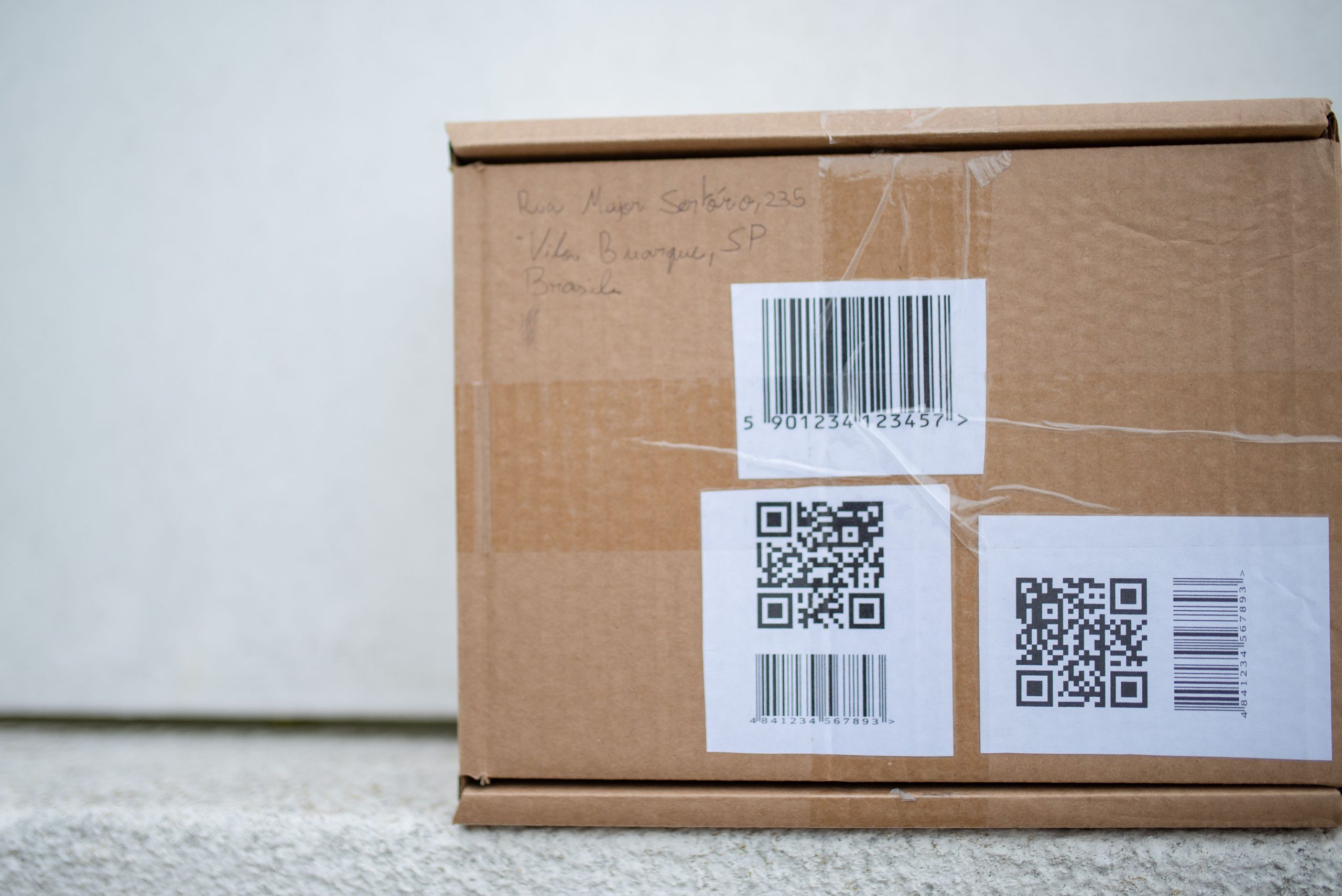
Understanding QR Codes: How They Are Made and the Privacy Considerations
In recent years, Quick Response (QR) codes have become an ubiquitous tool for sharing information quickly and efficiently—commonly used for menus, payment options, and marketing campaigns. However, concerns about privacy and data tracking have emerged, prompting many users to question the underlying mechanics of QR code generation and the potential for covert data collection.
How Are QR Codes Created?
At their core, QR codes are two-dimensional barcodes designed to encode information—most frequently URLs, contact information, or textual data. When you generate a QR code, the process typically involves a QR code generator tool that converts the desired data into a visual pattern, which can then be scanned by any compatible device.
The fundamental principle is straightforward: a QR code encodes a specific dataset, such as a website link, without inherently containing any tracking or additional data. It functions much like a digital label—without extra features built in by default.
Are Tracking Parameters Included in QR Codes?
While a basic QR code simply encodes a static link, some generators—particularly those from third-party or marketing tools—may append tracking parameters to the URL. This allows the content provider to monitor engagement, gather analytics, or track how many times a code has been scanned, and from what locations or devices.
For example, a QR code generated through a professional marketing platform might encode a URL like:
https://restaurantwebsite.com/menu?campaign=summerpromo&ref=qr
Such parameters enable the business to assess the effectiveness of their campaign but could also introduce privacy concerns, especially if users are unaware that their interactions are being tracked.
Is Built-in Tracking Common in QR Codes?
In standard practice, QR codes themselves do not have built-in tracking capabilities. They are simply encodings of data; any tracking is entirely dependent on the URL or data they contain. However, because many content providers utilize URL shortening or tracking-enabled links, the scan may lead users through multiple redirect domains before reaching the final destination.
In your experience, encountering a QR code that redirects through several domains raises suspicion. This is often a tactic used in malicious or overly invasive tracking schemes, but it can also be part of legitimate analytics strategies.
Should You Verify Destination URLs?
Given these concerns, it’s advisable to verify where a QR code leads before interacting further, especially when scanning codes in unfamiliar contexts. Many QR code scanner apps now offer a preview feature—displaying the URL prior to opening it—allowing you to assess its legitimacy.
When in doubt, consider:
- Checking the URL carefully for unfamiliar or suspicious domains.
- Favoring QR codes from trusted sources or verified providers.
- Using reputable scanner applications that provide link previews.
How to Identify the Origin of a QR Code?
Determining who generated a particular QR code can be challenging, as they are often created by vendors or individuals without visible branding. However, some strategies include:
- Examining the URL for recognizable domain names or branding.
- Using scanners that display detailed URL information.
- Asking the provider (such as a restaurant staff) about the source if uncomfortable.
Conclusion
QR codes are simple data encodings and do not inherently include tracking functionalities. Nonetheless, the URLs they contain—especially when crafted by third parties—may incorporate tracking parameters or lead users through multiple redirects. To ensure your privacy, always scrutinize scanned links and consider the context in which the QR code appears. By staying vigilant, you can enjoy the convenience of QR technology while maintaining control over your digital footprint.