Ensuring Privacy While Using Proctoring Software in Education: Strategies and Considerations
In today’s digital learning landscape, online proctoring tools have become a standard component of many educational programs. While these technologies facilitate remote assessments and maintain academic integrity, they also raise important questions about privacy, data security, and personal information management. For students and learners concerned about their digital footprint, understanding how to minimize privacy risks is crucial.
Understanding Data Collection and Retention in Proctoring Services
Most online proctoring platforms and identity verification services—such as Veriff, Measure Learning, ProctorU, and others—collect personal data including government-issued IDs, photographs, or biometric information to authenticate users during assessments. According to their privacy policies, these companies typically retain user data only as long as necessary for the purpose of providing their services or as mandated by law.
However, the nuances of data retention policies can be complex. Many platforms mention that they retain information “only for as long as necessary,” but specifics about how long that period is, or whether users can request deletion afterward, are often less transparent.
Strategies to Minimize Privacy Risks
-
Review Privacy Policies Carefully
Before engaging with any proctoring service, scrutinize their privacy policies to understand data collection, storage durations, and options for data deletion. Look for options that specify data retention periods and procedures for data removal. -
Request Data Deletion When Possible
Some companies allow users to request access to or deletion of their personal data. Contact the platform’s support team or privacy officer to inquire about their data deletion policies. Being proactive can sometimes lead to greater control over your information. -
Limit Personal Data Submission
When possible, provide only essential information. For instance, if a service allows for minimal ID verification or alternative authentication methods, opt for the least intrusive options. -
Use Privacy-Focused Technologies
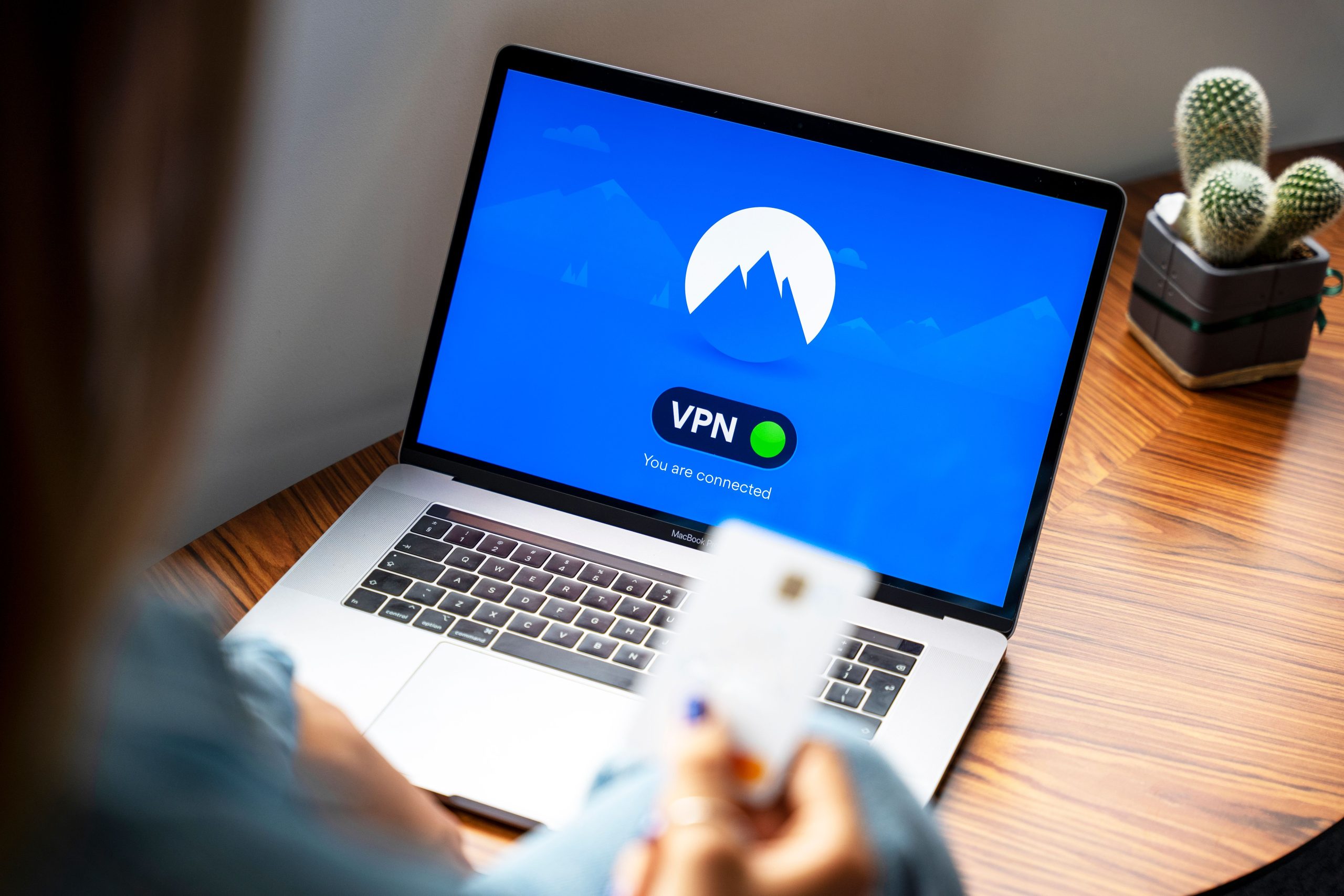
Consider utilizing secure browsers, VPNs, or privacy-enhancing tools that can help reduce the traceability of your online activity. While these may not prevent the collection of ID information, they add layers of security to your overall online presence. -
Utilize Educational Platforms with Clear Privacy Policies
Some platforms prioritize privacy and transparency. When choosing educational providers, consider those that openly detail data handling practices and offer robust privacy protections. -
Advocate for Privacy Rights
As a student or learner, you have the right to inquire and advocate for better privacy protections. Reach out to institutions and service providers to express your concerns and request more transparent data policies.
Evaluating Trust and Privacy Expectations
While privacy policies often indicate that data is retained only as long as necessary, trust in these policies is subjective. If you are particularly concerned about personal data security, consider whether the potential risks align with your educational goals. Balancing security and privacy with the benefits of online education is a personal decision.
Final Thoughts
Navigating privacy in the era of digital education can be challenging. By staying informed about data collection practices, utilizing available privacy tools, and actively engaging with service providers, learners can better protect their personal information. Remember, education is a valuable pursuit, and safeguarding your privacy is an integral part of responsible digital citizenship.
Disclaimer: This article provides general guidance and does not constitute legal advice. For personalized recommendations, consult a privacy or legal professional.