How Often Should You Update Your Passwords? Best Practices for Maintaining Digital Security
In today’s digital age, securing your online accounts is more important than ever. From social media and email to mobile devices, passwords serve as the first line of defense against unauthorized access. But a common question many users face is: How frequently should I change my passwords?
Understanding the Importance of Regular Password Updates
Many individuals, including myself, tend to delay changing passwords until they forget them or encounter a security issue. This reactive approach can leave accounts vulnerable for extended periods. Ideally, proactive password management involves regular updates to reduce the risk of compromised credentials and bolster your overall cybersecurity posture.
Recommended Frequency for Changing Passwords
While there isn’t a one-size-fits-all rule, cybersecurity experts generally recommend:
- For high-risk accounts (e.g., email, banking, work-related accounts): Change passwords every 3 to 6 months.
- For less sensitive accounts (e.g., social media, streaming services): Consider updating passwords at least once a year.
- After a security breach: Immediately change affected passwords and monitor account activity.
Practical Tips for Effective Password Management
- Use strong, unique passwords: Avoid predictable patterns or easily guessed information.
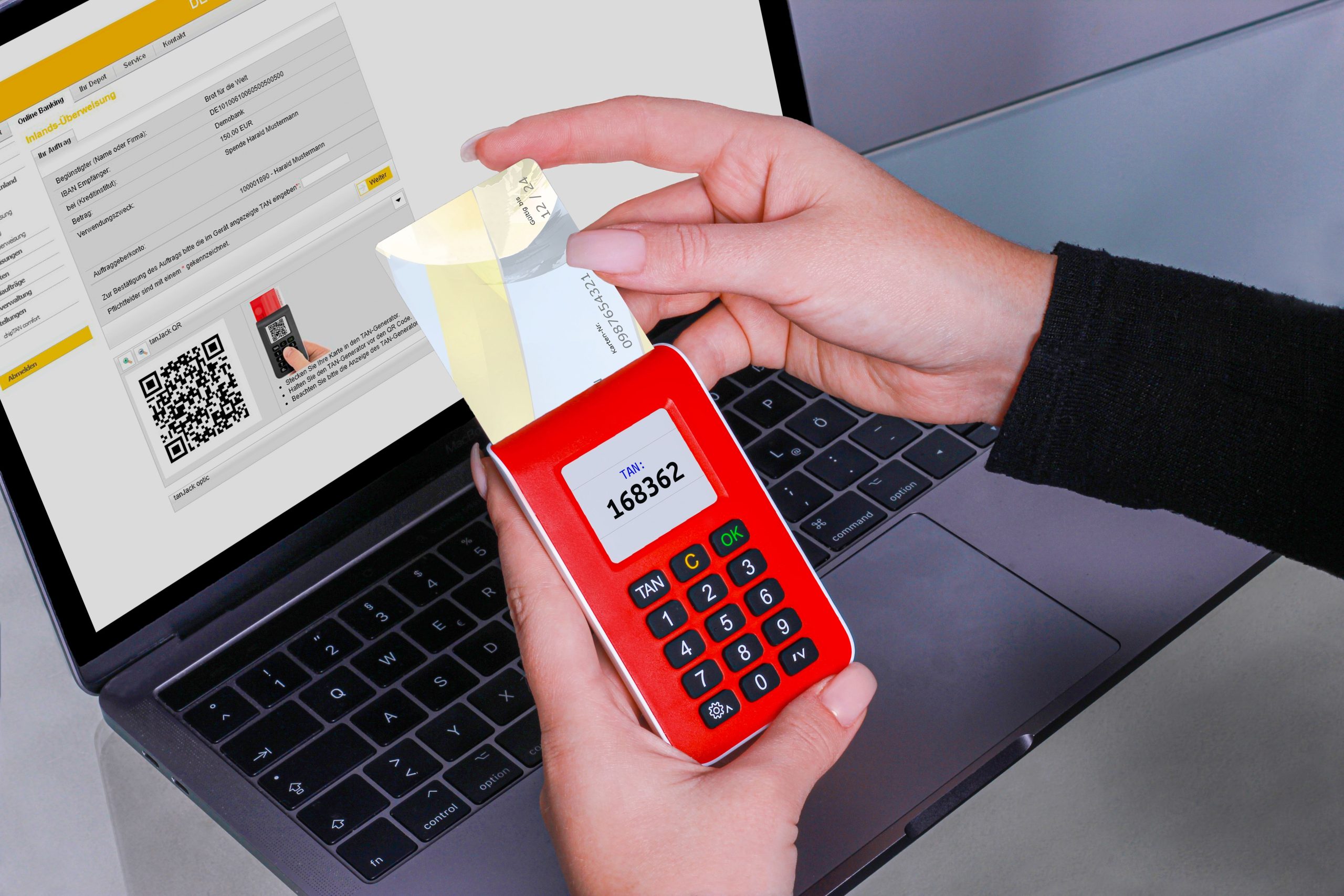
- Implement multi-factor authentication (MFA): Adds an extra layer of security.
- Utilize password managers: Simplify the process of creating and storing complex passwords securely.
- Update device passcodes periodically: For mobile phones, changing passcodes every couple of years or after upgrading devices is advisable.
Personal Reflection and Best Practices
For example, I have a numeric passcode on my phone, which I rarely change—perhaps once every two years or when upgrading my device. While this may be convenient, it’s essential to assess the security risks regularly. Encryption and biometric locks can supplement these measures, but regular password updates are a crucial aspect of good cybersecurity hygiene.
Final Thoughts
Ultimately, staying vigilant and proactive about updating your passwords can significantly reduce your vulnerability to cyber threats. Establishing a routine based on your usage patterns and the sensitivity of your accounts will help you maintain effective digital security without inconvenience.
Stay safe online—review and update your passwords today!