Assessing the Security and Privacy Implications of Your ISP-Provided Router
In today’s interconnected world, concerns about online privacy and security are more relevant than ever. For residents in countries with less robust privacy protections, understanding the risks associated with essential network hardware—particularly routers—becomes crucial. This article explores whether the ISP-provided router can be a potential privacy liability and examines strategies to enhance your home network’s security.
Understanding the Role of Routers in Privacy and Security
Routers serve as the gateway between your local network and the wider internet. While primarily responsible for directing traffic, their firmware and configuration can also affect your online privacy. An ISP-provided router, especially one supplied at low cost, may lack advanced security features or may have vulnerabilities that could be exploited by malicious actors or used to surveil network activity.
Risks Associated with ISP-Provided Routers
- Pre-configured Firmware: Many inexpensive routers from ISPs run factory firmware that may not be regularly updated, leaving them vulnerable to known exploits.
- Potential Data Leakage: Without proper security measures, such routers could inadvertently or intentionally transmit usage data to their manufacturers or third parties.
- Limited Control and Customization: Default firmware often restricts your ability to implement advanced privacy settings or security configurations.
Given these considerations, it is reasonable to question whether your ISP-provided router constitutes a privacy liability.
Steps to Enhance Your Network Privacy
-
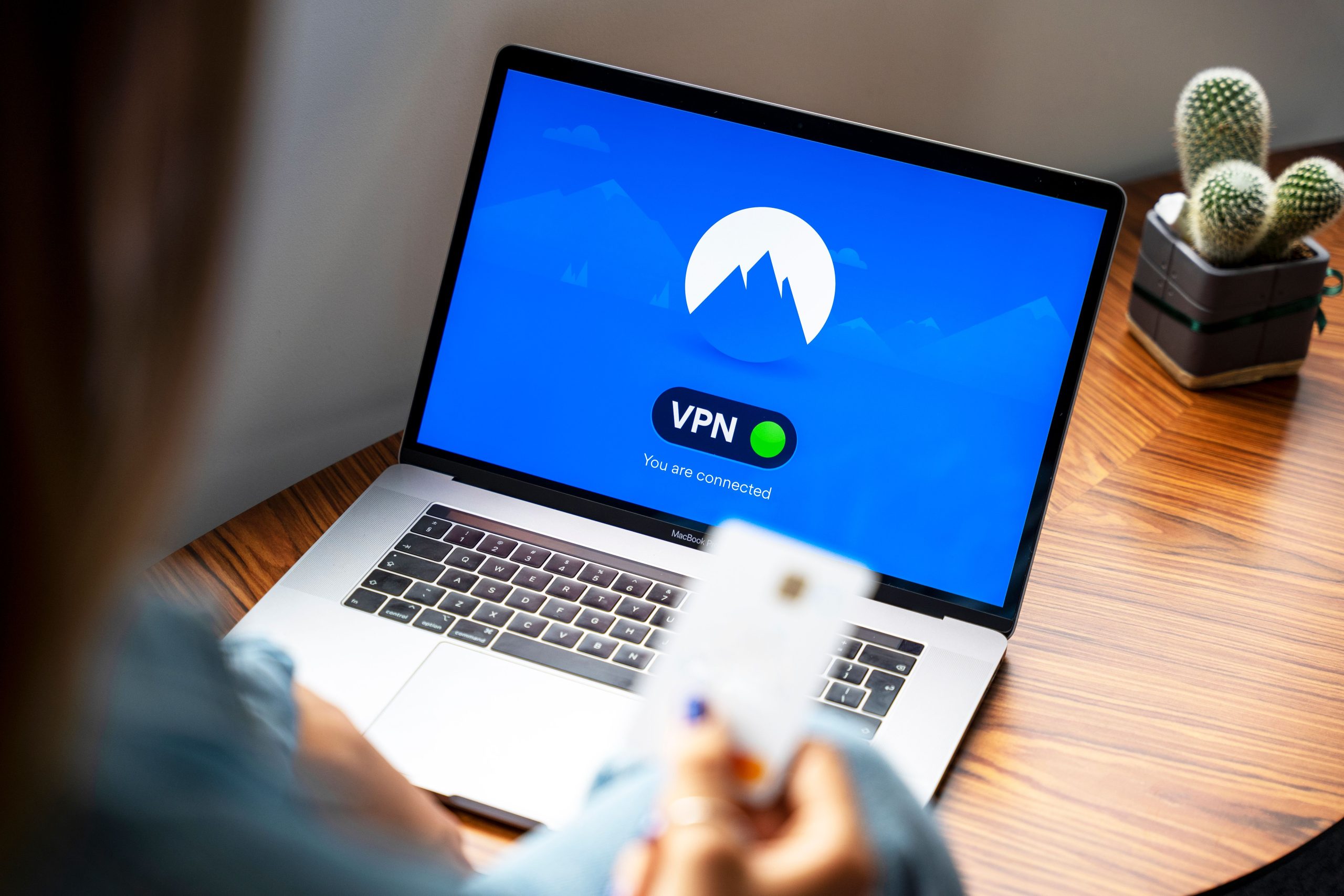
Use a VPN and Tor for Privacy:
Combining Virtual Private Networks (VPNs) with The Onion Router (Tor) network can significantly improve anonymity and encrypt your traffic from your device to the exit nodes. However, this primarily protects your data in transit and may not prevent your router or ISP from seeing connection metadata. -
Implement an Additional Router with Custom Firmware:
Many privacy-conscious users deploy a secondary router running custom firmware like DD-WRT, OpenWRT, or Tomato. This device acts as a secure bridge before traffic reaches the ISP’s router. -
Advantages:
- Greater control over traffic routing and security settings.
- Ability to configure firewall rules and disable unneeded services.
- Potential to block ISP-level tracking or data collection.
-
Recommended Setup:
- Connect your personal router (with DD-WRT or similar firmware) to your ISP’s router.
- Configure the ISP router to operate in “bridge mode” if possible, to disable its routing functionalities and allow your custom router to manage network traffic.
- Route all devices through your custom router, ensuring that privacy-enhancing tools like VPN or Tor are used effectively.
-
Firmware Updates and Security Best Practices:
- Regularly update your ISP router’s firmware if possible.
- Change default passwords and disable unnecessary services.
- Monitor network activity for any suspicious behavior.
Limitations and Considerations
- Technical Challenges: Configuring custom firmware and networking settings can be complex and requires a certain level of technical expertise.
- Hardware Constraints: Some ISP-specific hardware, especially those integrated with cable modems, may have limited options for replacing or reconfiguring the device.
- Legal and Compliance Issues: Always ensure that any modifications comply with your ISP’s policies and local regulations.
Conclusion
While your ISP-provided router may not be an immediate threat, it does pose potential privacy and security risks, especially if it runs outdated firmware or has limited configurability. Deploying an additional, custom-flashed router can significantly enhance your control over network security and privacy. Coupling this setup with VPN and Tor usage creates a multi-layered approach to safeguard your online presence within the constraints of your local infrastructure.
Staying informed and proactive about your network security practices is essential in protecting your privacy in an environment where surveillance might be a concern. Regularly assessing your hardware, implementing best security practices, and leveraging privacy tools will help you maintain greater confidentiality and peace of mind online.