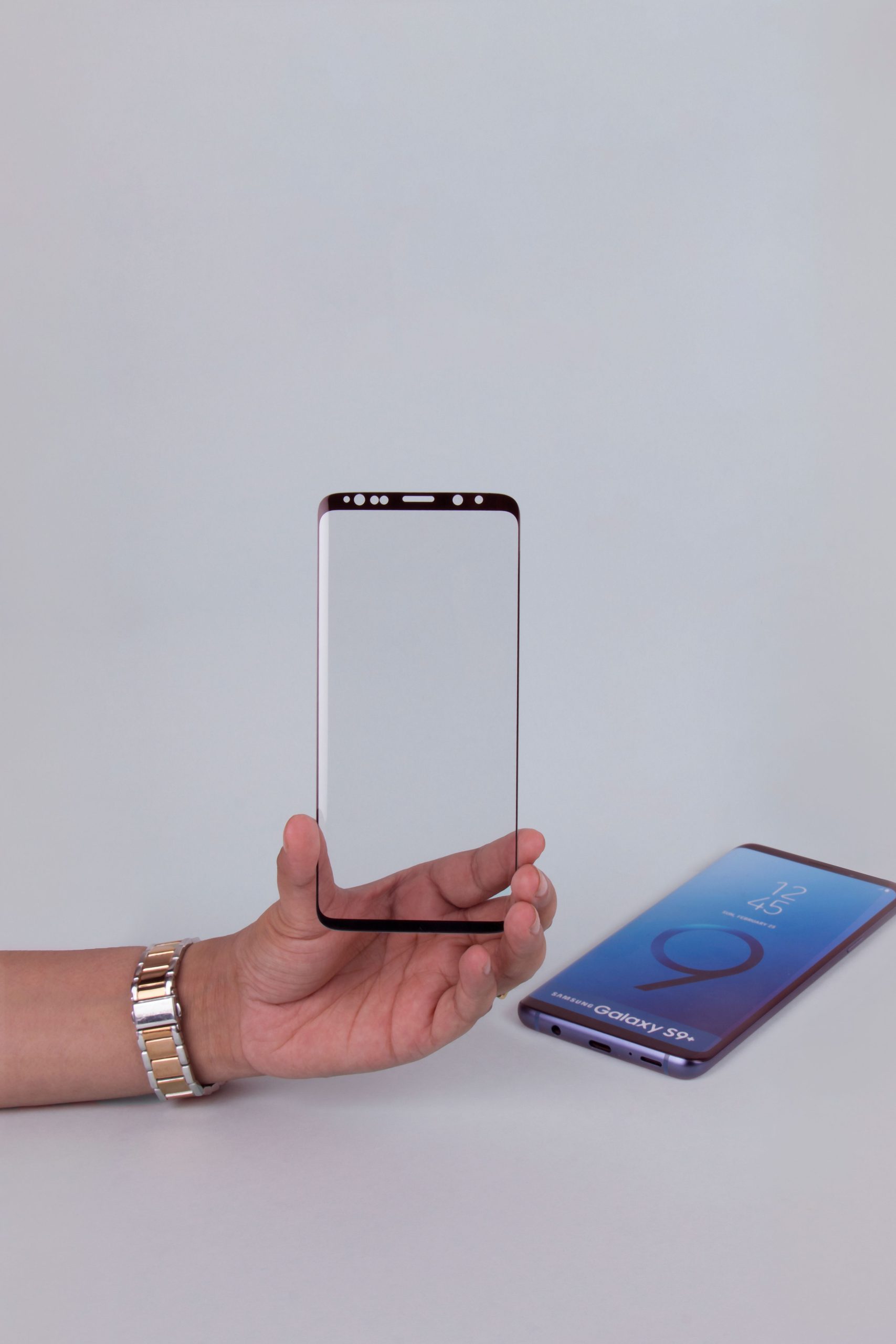
Evaluating the Effectiveness of Tempered Glass Privacy Protectors for Smartphones
In today’s digital age, safeguarding personal information on mobile devices has become increasingly important, especially for frequent travelers and busy professionals. One popular solution is the tempered glass privacy screen protector, often marketed as an “anti-spy” feature. But how effective are these products, and do they come with notable drawbacks?
Personal Experience with a Tempered Glass Privacy Protector
Recently, I installed a tempered glass privacy protector on my iPhone, primarily due to my extensive commuting schedule. After a week of use, I observed that the privacy feature—designed to limit the viewing angle—performed quite well from the sides, effectively blocking onlookers from viewing my screen. However, this came with a downside: the screen appeared significantly dimmer than usual. Interestingly, despite the reduced brightness, Face ID and touch recognition continued to function flawlessly.
Understanding the Trade-Offs
The dimming of the display is a common characteristic of many privacy screen protectors. These films or glass layers employ a filter that restricts the viewing angle, which inevitably can reduce screen brightness and clarity if the product isn’t of high quality. This trade-off is often accepted by users seeking increased privacy, but it raises the question: are some brands better than others?
Are All Privacy Screen Protectors Created Equal?
The market offers a variety of anti-spy tempered glass protectors, ranging from budget-friendly options to premium brands. Quality differences can significantly impact factors such as:
- Brightness and Clarity: Premium products often incorporate advanced filtering technologies that minimize dimming effects.
- Color Accuracy: Some brands maintain display colors more faithfully, providing a more natural viewing experience.
- Touch Sensitivity: High-quality protectors preserve responsive touch functionality.
- Ease of Installation: Better-designed products tend to be easier to apply without bubbles or misalignments.
Choosing the Right Privacy Screen Protector
When selecting a privacy tempered glass protector, consider the following:
- Brand Reputation and Reviews: Look for products with positive feedback regarding clarity and privacy effectiveness.
- Material Quality: Premium brands typically use higher-grade glass and filters.
- User Compatibility: Ensure the protector supports your specific device model and features like Face ID.
- Balance Between Privacy and Display Quality: Seek options that offer a good compromise without excessively dimming the display.
Final Thoughts
While a tempered glass anti-spy protector can be a valuable accessory for maintaining privacy on your smartphone, it’s important to recognize that some compromise on screen brightness and clarity is somewhat common. Investing in reputable, well-reviewed brands can mitigate some of these issues, delivering a more balanced experience.
Ultimately, the decision hinges on individual needs—whether prioritizing utmost privacy or maintaining display quality. Careful product selection and considering user feedback can help you find a solution that best fits your lifestyle.