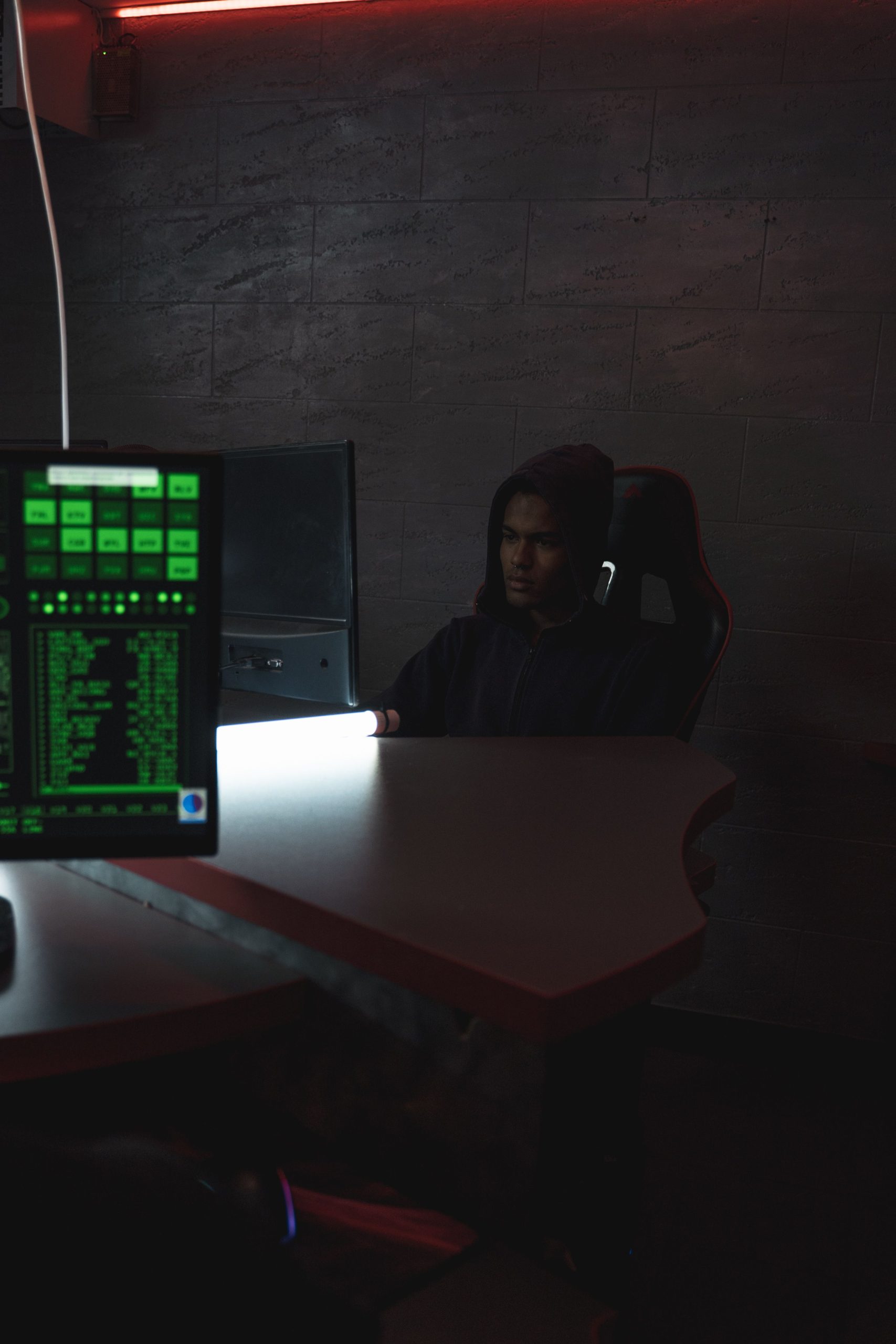
Understanding the Term “Dox” and Its Implications in Online Gaming: A Caring Family Perspective
Introduction
In today’s digital age, online gaming and social interactions among teenagers have become more prevalent than ever. As family members observe these activities, questions often arise about unfamiliar terminology and online behaviors. One such term gaining attention is “dox,” which recently came to light during a casual observation of a nephew’s gameplay. This article aims to clarify the meaning of “dox,” explore its relevance in gaming contexts like Minecraft, and discuss appropriate steps for guardians and family members to address concerns responsibly and effectively.
What Does “Dox” Mean?
“Dox” is shorthand for “doxxing,” a slang term derived from “dropping dox” or “documents.” It refers to the act of publicly revealing someone’s private, personal information—such as real name, address, phone number, or other sensitive data—without their consent. Originally connected to hacking and online harassment, doxxing can lead to serious consequences, including harassment, identity theft, or even physical danger for the targeted individual.
Doxxing in Online Gaming and Minecraft
In gaming communities, especially multiplayer platforms like Minecraft, the term “dox” has surfaced among players discussing their interactions. While some references to “doxxing” are made in jest or as threats, it’s crucial to recognize that such behavior crosses ethical boundaries and often violates platform rules. Minecraft servers, for instance, may keep logs or have mechanisms that could potentially trace connections back to individual players, but deliberately revealing personal information to harm or intimidate others is unacceptable.
Implications for Teenagers and Online Conduct
For teenagers, especially those new to online interactions, understanding the seriousness of doxxing is vital. Engaging in or joking about doxxing can unintentionally foster a harmful environment, leading to legal complications or emotional distress. Parents and guardians should be attentive to their child’s online language and behaviors, fostering open communication about respectful online conduct and the risks involved.
Guidance for Parents and Guardians
If you’re a family member concerned about your child’s online activities, consider the following approaches:
-
Educate Gently: Have a calm conversation explaining what doxxing is, emphasizing its potential harm and illegality. Use age-appropriate language and examples they can relate to.
-
Promote Respectful Gaming: Encourage your child to treat others online with kindness and respect. Reinforce the importance of privacy and boundaries.
-
Set Boundaries and Limits: Discuss appropriate screen time and online activity guidelines with your child, balancing curiosity with safety.
-
Monitor Responsibly: While respecting privacy, stay informed about the platforms your child uses. Familiarize yourself with the game’s community guidelines and reporting features.
-
Collaborate with Guardians: If you notice concerning language or potential harmful behavior, collaborate with your child’s parents or guardians to address the issue constructively.
-
Seek Professional Advice if Needed: If your concerns persist or if your child exhibits signs of distress related to online interactions, consider consulting counselors or educators specialized in digital literacy and cyber safety.
Conclusion
Understanding terms like “dox” is essential in navigating the digital landscape safely and responsibly. As families engage with teenagers’ online worlds, fostering open dialogue and promoting respectful online behavior can help prevent harm and build trust. Remember, guiding children towards positive online habits not only safeguards their well-being but also helps them become responsible digital citizens.
If you are concerned about your child’s online activities or need additional resources, consider reaching out to cybersecurity professionals or local digital safety organizations for support.